M. K. Čiurlionis National Museum of Art
K. Donelaičio g. 64, LT-44248 Kaunas (for correspondence)
V. Putvinskio g. 55, Kaunas (entrance for visitors)
Institution code 190755932
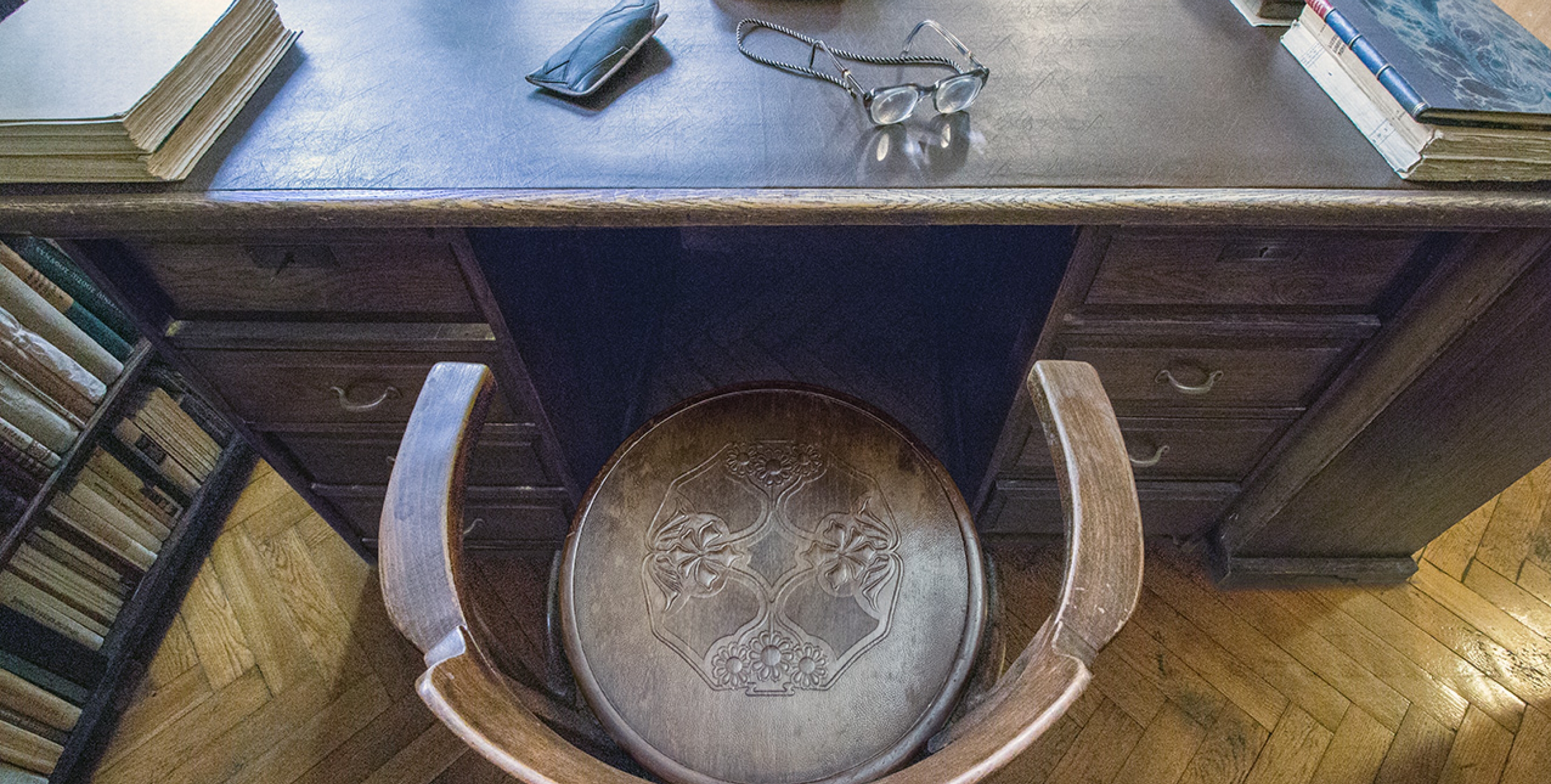
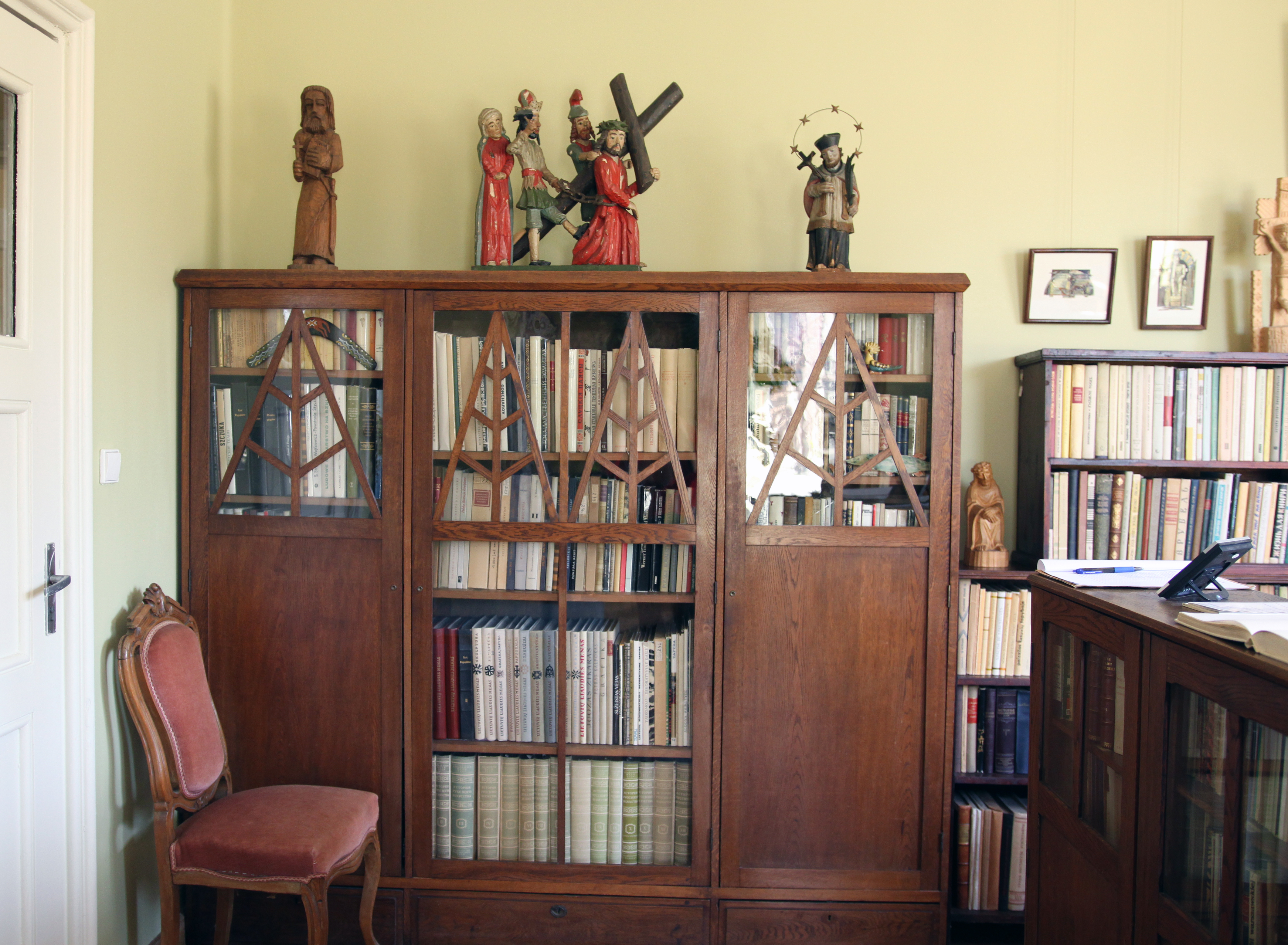
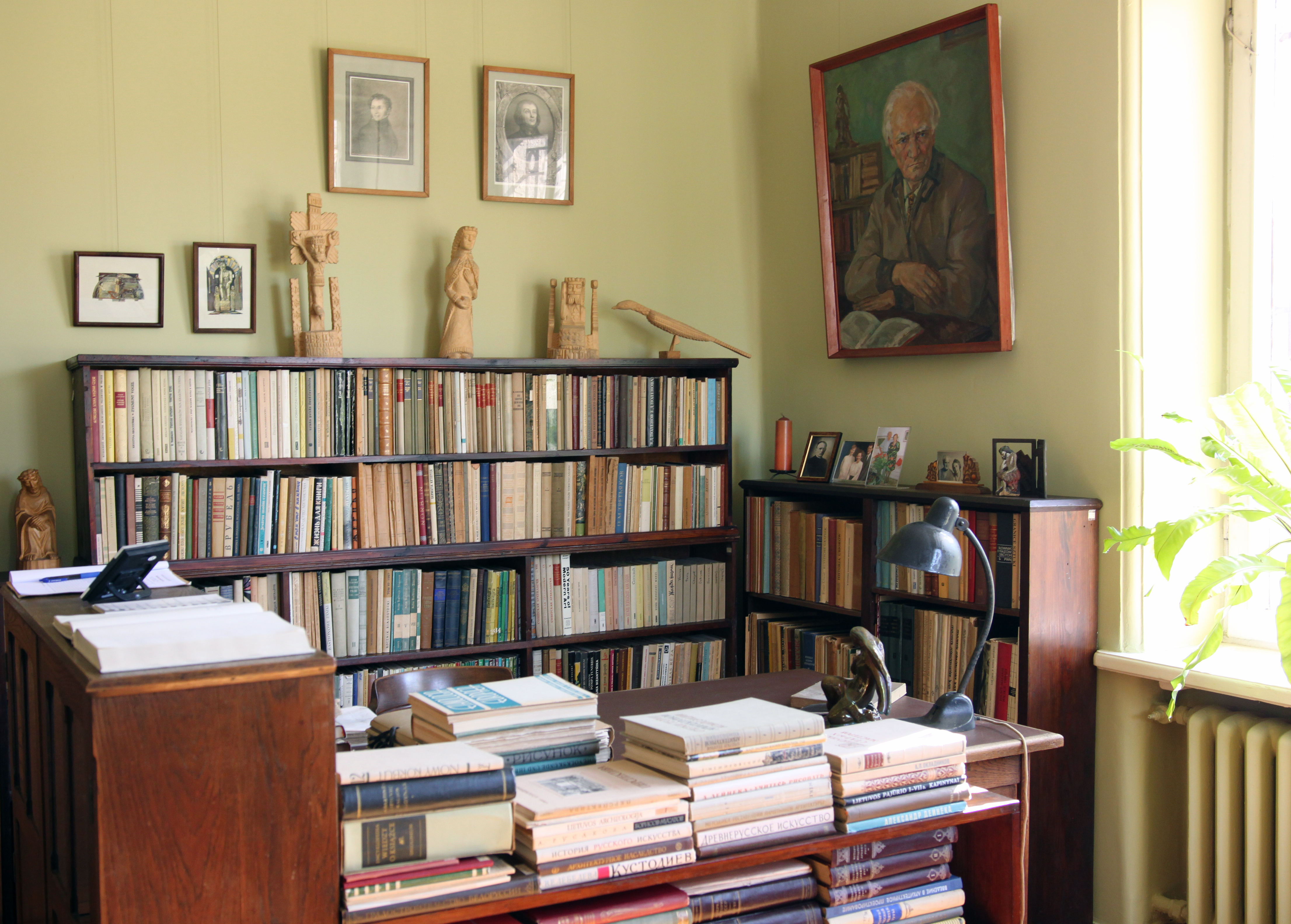
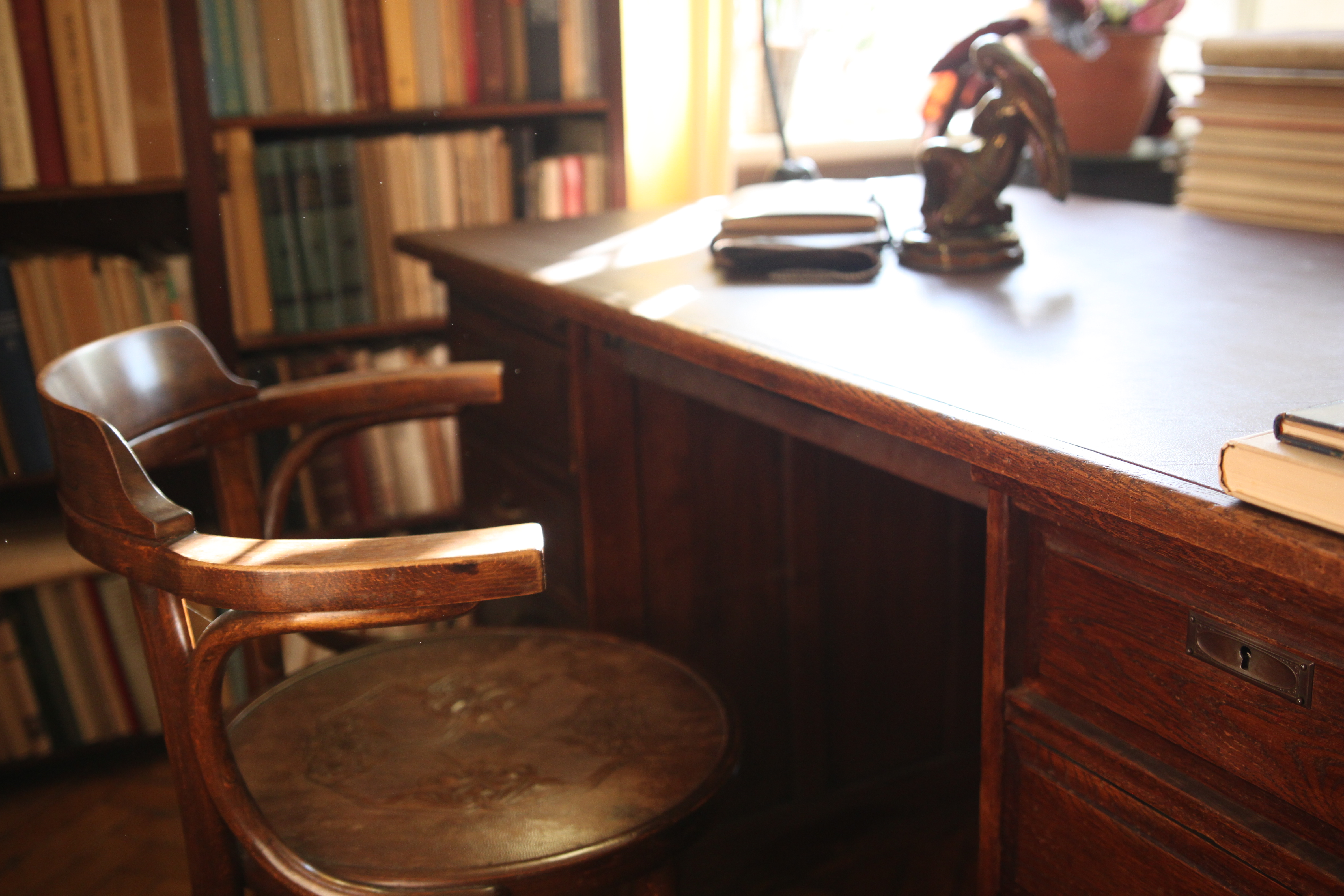
The room-study of Paulius Galaunė (1890–1988), a museologist, art researcher, artist, and pedagogue, is furnished in the way as it was until 1971 when the Galaunė family due to certain circumstances moved to another apartment. The main exhibits – a writing desk and a bookcase were made around 1925 based on the project by the host of the room. As the library expanded, the number of cabinets and shelves by local craftsmen increased year after year.
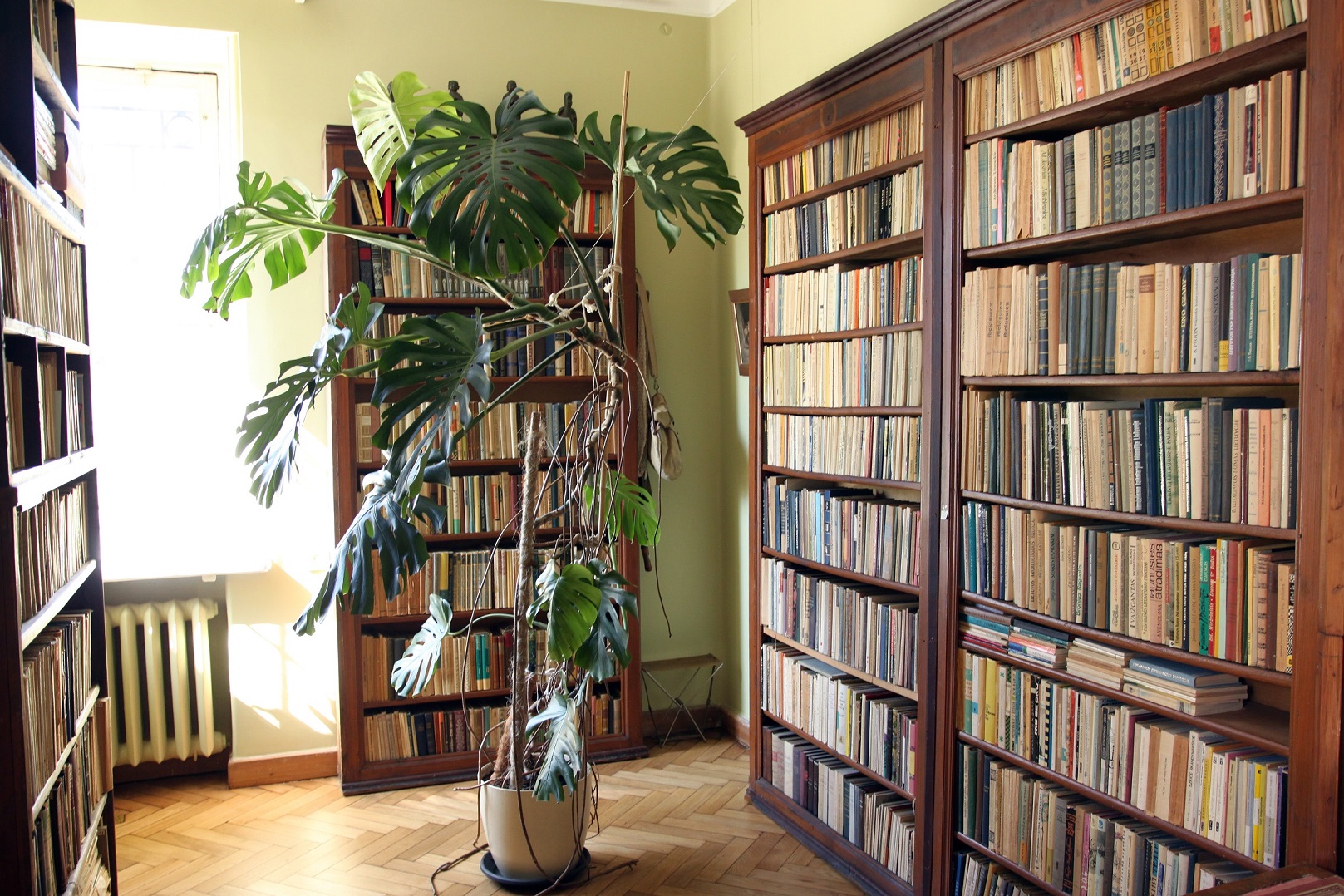
Since his youth, P. Galaunė was an ardent bibliophile. His greatest aim when compiling the multilingual library was to acquire publications related to Lithuania – its past, culture, and art. Among others, the library contains editions of major value, which are rarely, if ever, found in Lithuanian libraries and are especially prized by book experts.
Over 12 thousand publications, in one way or another, reflect Lithuania’s history and culture of the late 19th and 20th centuries. That was a complicated time known for two world wars and a short gleam of Independence which was suddenly overshadowed by the ideology of a long Soviet occupation intertwined with a brief Hitler’s intervention during the war. P. Galaunė spent a number of years and countless hours in this room – the domain of books, paintings, works of art related to scientific activities, hobbies, and prominent personalities. Here he was preparing for the lectures at higher educational institutions, wrote scientific studies, articles, handled his graphic art collection.
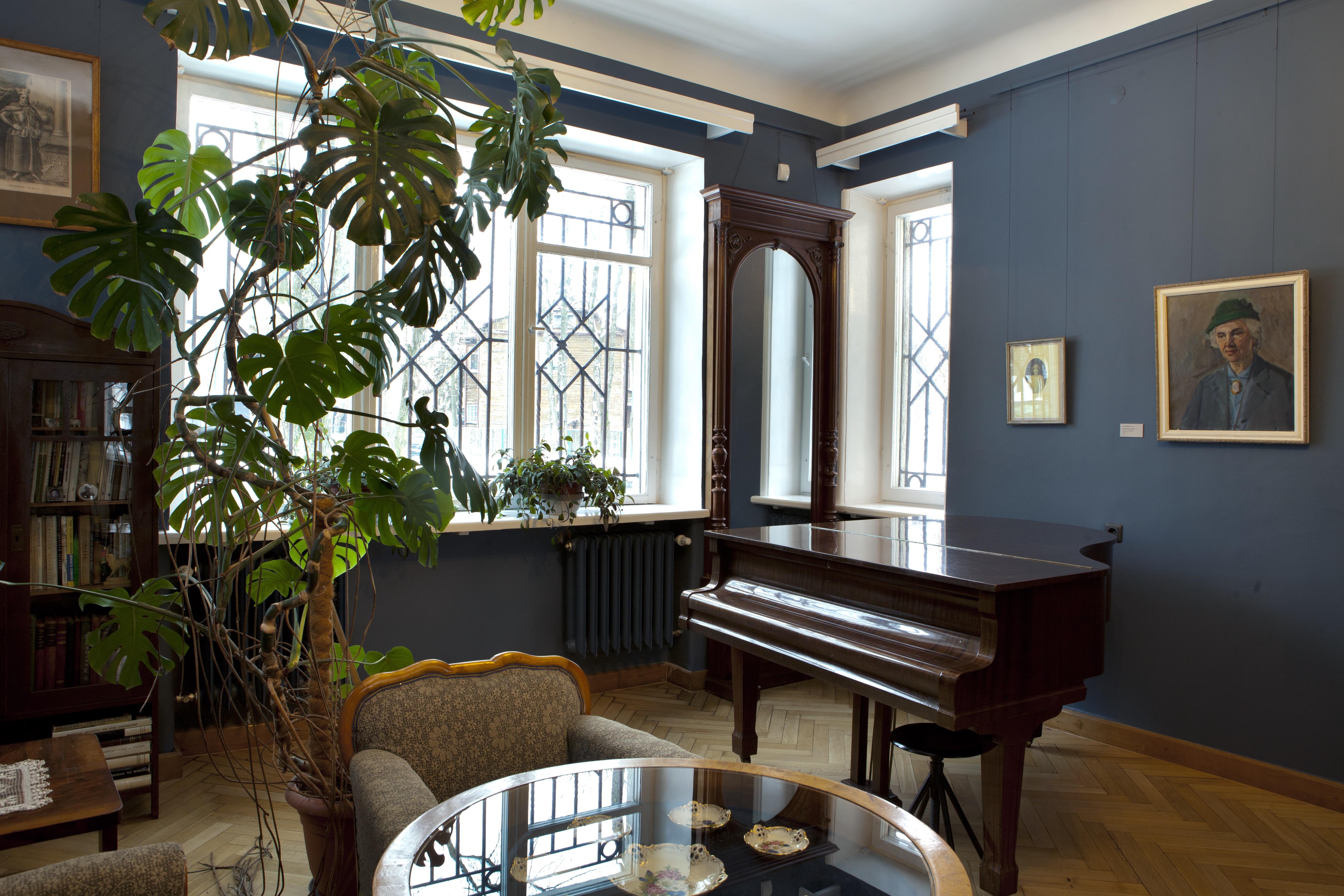
The former sitting-room of Adelė Galaunienė (1895–1962) had retained the authentic layout and decorations – pictures by M. K. Čiurlionis, A. Galdikas, J. Janulis and other artists, family photographs, vocal scores of operas “Rigoletto”, “Tannhäuser”, “The Barber of Seville”, “The Demon” and others, beautifully bound in the late 19th – early 20th century.
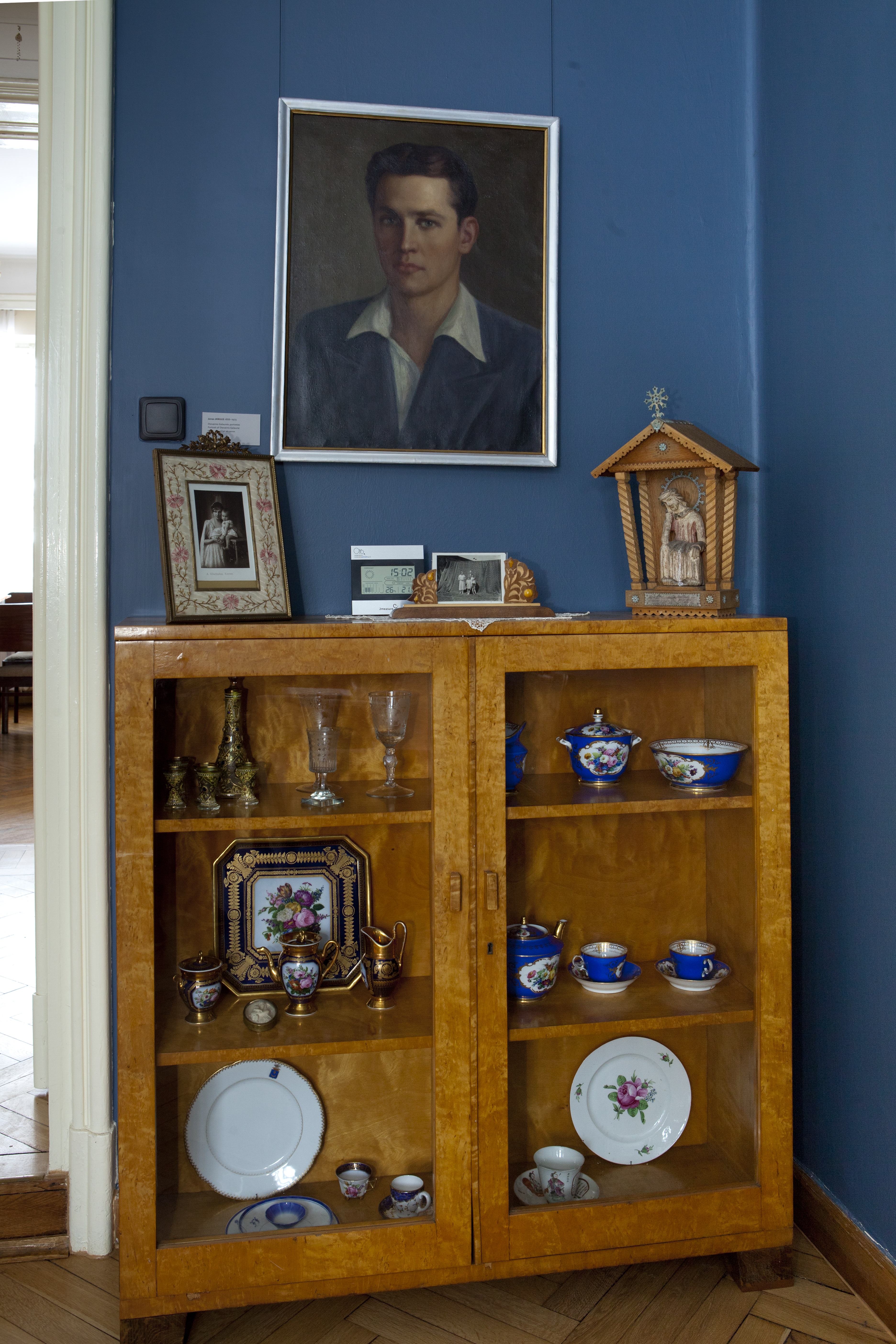
A cabinet with a glass door and a round display table made by the artist J. Prapuolenis served for keeping the most precious crockery manufactured mainly in the late 19th – early 20th century at famous Russian, Czech porcelain factories, also souvenirs presented on various occasions.
In this room, A. Galaunienė was getting ready for concerts, received her students and guests, here one could admire her gentle lyrical soprano, listen to the songs and opera arias performed by guests.




















M. K. Čiurlionis National Museum of Art
K. Donelaičio g. 64, LT-44248 Kaunas (for correspondence)
V. Putvinskio g. 55, Kaunas (entrance for visitors)
Institution code 190755932

.png)