M. K. Čiurlionis National Museum of Art
K. Donelaičio g. 64, LT-44248 Kaunas (for correspondence)
V. Putvinskio g. 55, Kaunas (entrance for visitors)
Institution code 190755932
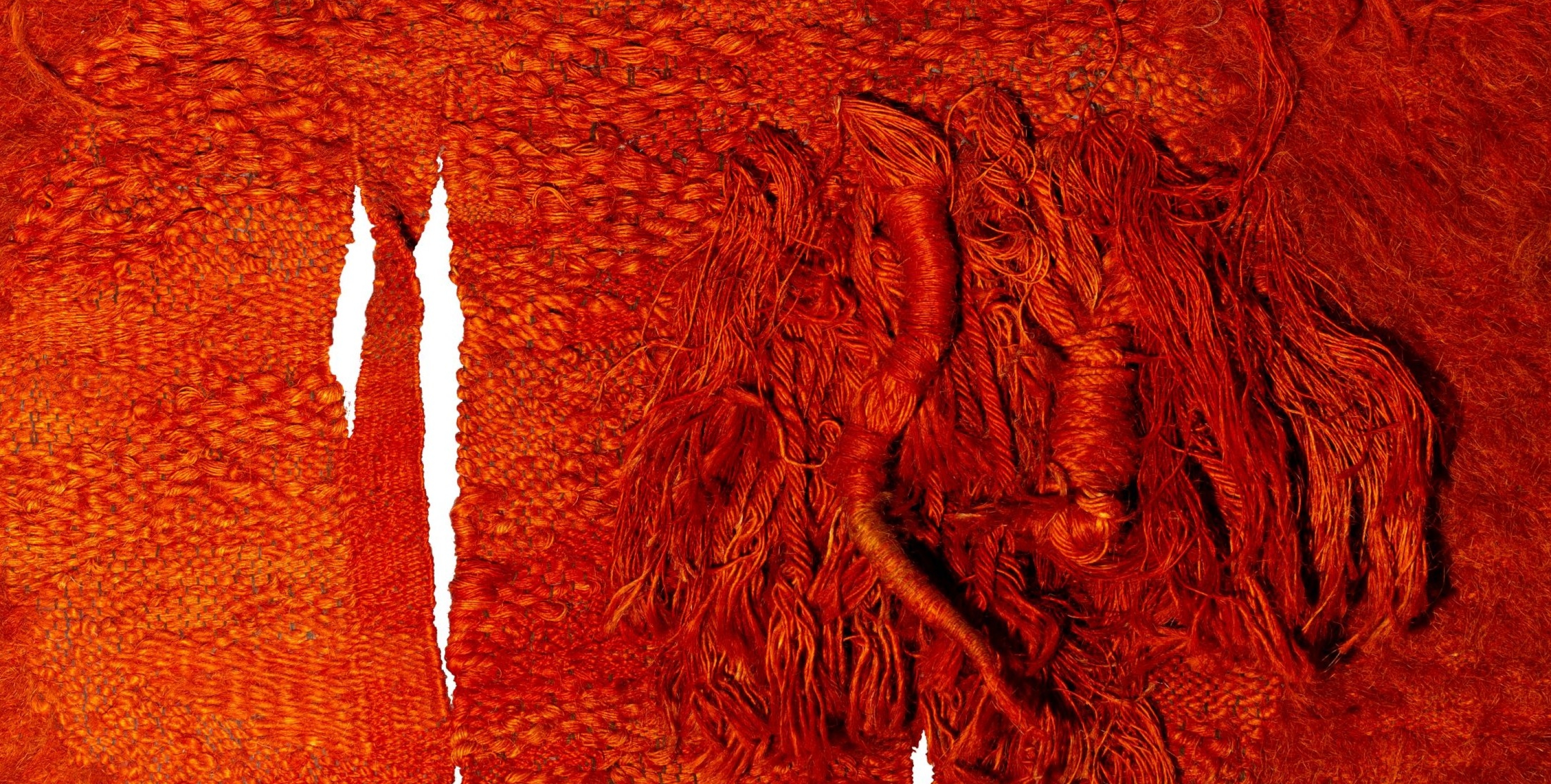
On Friday, November 13, at 6 pm, the exhibition “Polish Abstractions” will open at the Kaunas Picture Gallery (K. Donelaičio St. 16, Kaunas).
The “Polish Abstractions” project presents the most significant phenomena and individual artists in Polish art from the 1950s to the present day. Drawn from private collections, the accumulation of paintings, photograms, and spatial objects offers a cross-section of the history of the 20th- and 21st-century Polish contemporary art.
A pleasant surprise within this predominantly painting-focused exhibition may be the works of internationally renowned Magdalena Abakanowicz. On display are three large abakans and a sculptural installation titled "Black Ball" (Czarna kula), which is being shown internationally for the first time since its creation in 1986–87, marking a special premiere.
"Polish Abstractions" is a diverse, cross-sectional exhibition guiding viewers through 94 years of the development of Polish avant-garde art. Rooted in the interwar period, post-war abstraction served as a form of protest against socialist realism and a bold declaration of ties to Western art. The oldest work, a heliography by Karol Hiller, dates to around 1932–34; the oldest painting, by Polish avant-garde icon Maria Jarema, was created in 1950; and the newest, painted by Tomasz Ciecierski, dates to 2018.
The project is dedicated to the Lithuanian public, who are already quite familiar with Polish painting, though perhaps less so with its abstract traditions and such a diverse selection. In the history of Lithuanian painting, abstraction occurred less frequently than mutations of expressionism. Consequently, these Polish varieties of abstraction may prove engaging and inspiring to Lithuanian audiences.
The exhibition also recalls a largely overlooked historical event from 1923, both in Poland and Lithuania. At that time, the foyer of the Corso Cinema in Vilnius hosted a ground-breaking exhibition initiated by the Pole Władysław Strzemiński and the Lithuanian Vytautas Kairiūkštis. It was the first show of the avant-garde group that would soon adopt the name Blok and publish a journal of the same title (facsimiles of the journal pages and the catalogue are featured in the exhibition as a historical appendix). The constructivist-leaning avant-garde was born in the Corso Cinema, and participants included Henryk Stażewski, whose extensive selection of paintings is presented in Kaunas 103 years later.
A second exhibition appendix features a selection of abstract collector's photography, including a 1938 heliography by Karol Hiller, phenomenal 1948 photograms by Fortunata Obrąpalska, experimental photographs by Bronisław Schlabs, and conceptual photography by Zygmunt Rytka from the 1980s.
All presented works originate from Polish private collections: Jolanta and Piotr Marzec (Częstochowa, Warsaw), Katarzyna Szafrańska (Poznań), Artinfo (Warsaw), and Krzysztof M. Bednarski (Rome, Warsaw).
Exhibition curator: Krzysztof Stanisławski
Exhibition coordinators: Izabella Stanisławska, Lina Pranaitytė, Vaiva Mikelionytė
Project Organizer: Kampania Artystyczna, Warsaw
Project Partner: Polish Institute in Vilnius
Media partner: Artinfo
Co-financed by the Minister of Culture and National Heritage from the Culture Promotion Fund
This is a public event and may be filmed and photographed. By attending, you consent to appearing in photographs and video recordings taken during the event and acknowledge that these images and recordings may be published publicly.



















M. K. Čiurlionis National Museum of Art
K. Donelaičio g. 64, LT-44248 Kaunas (for correspondence)
V. Putvinskio g. 55, Kaunas (entrance for visitors)
Institution code 190755932