M. K. Čiurlionis National Museum of Art
K. Donelaičio g. 64, LT-44248 Kaunas (for correspondence)
V. Putvinskio g. 55, Kaunas (entrance for visitors)
Institution code 190755932
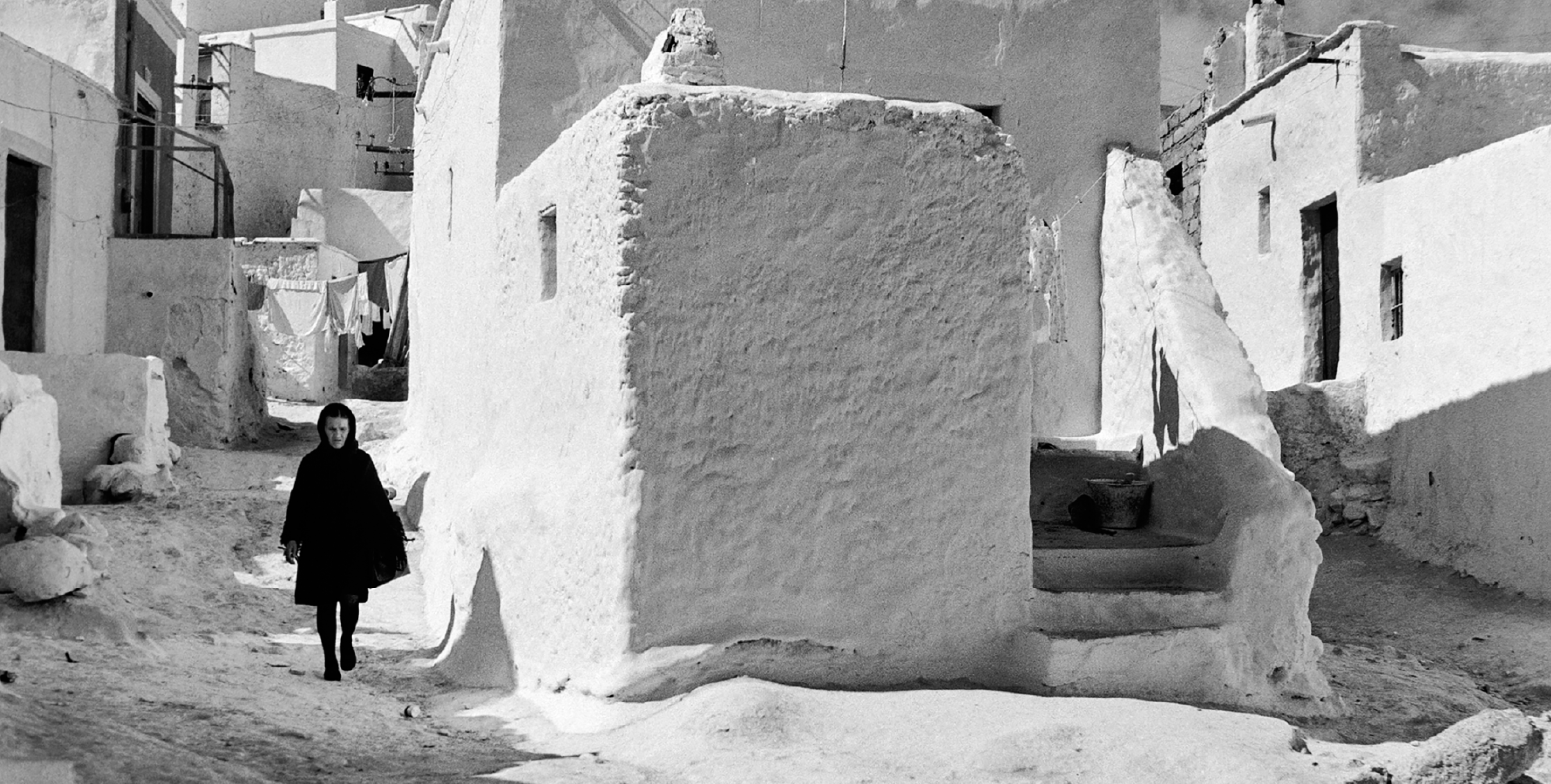
The opening of the exhibition Modern Photography in Spain, 1950–1970 will take place on Thursday, 12 November, at 5 pm at the M. K. Čiurlionis National Museum of Art (V. Putvinskio St. 55, Kaunas).
The 1950s and 1960s were a decisive period in the artistic modernisation of Spain. Against the backdrop of the aftermath of the Civil War, cultural isolation and Franco’s dictatorship, a new generation of photographers began exploring alternative forms of expression, seeking to establish photography as an autonomous art form and to develop new relationships between the image and reality.
The exhibition presents some of the most important figures in this transformation, including five recipients of Spain’s National Photography Award: Gabriel Cualladó, Joan Colom, Carlos Pérez Siquier, Ramón Masats and Alberto Schommer. It also features other prominent artists, including Francesc Català-Roca, Xavier Miserachs, Oriol Maspons, Ricard Terré, Francisco Gómez, Nicolás Muller, José María Artero, Francisco Ontañón and Jesús de Perceval.
In the first half of the 20th century, Spanish photography still bore strong traces of Pictorialism, which had dominated since the late 19th century. Its proponents sought artistic recognition by bringing photography closer to painting and graphic art. Late Pictorialism, associated with the aesthetics of regionalism and the glorification of traditions, popular types and national landscapes, found a favourable environment under Franco’s regime.
However, in opposition to this tradition, a new generation of photographers emerged in the 1950s and 1960s, bringing significant changes to Spanish photographic art. These artists abandoned idealised forms of representation, turning their documentary and humanistic gaze towards everyday life, urban environments and social change.
Photographic societies in Madrid and Barcelona became important centres of this transformation. Groups such as La Palangana in Madrid and El Mussol in Barcelona were formed, bringing together artists who, despite their differing artistic approaches, sought new possibilities for expression and new ways of representing reality.
Their efforts to develop and promote new forms of photographic expression gained recognition through AFAL, a photography magazine founded in Almería in 1956 and edited by José María Artero and Carlos Pérez Siquier. The magazine brought together photographers from across Spain, encouraging the exchange of ideas and fostering connections with international photographic movements. The publication of the Anuario de la fotografía española (Yearbook of Spanish Photography) in 1958 further encouraged a sense of shared purpose and helped raise the profile of Spanish photography.
Despite their differences, these photographers shared a desire to portray Spain not as it was presented by the official proponents of Franco’s regime, but as a country marked by social inequality, urban transformation and the ongoing tension between tradition and modernity. Their legacy laid the foundations for contemporary Spanish photography and helped establish its place within the broader context of international artistic modernism.
Curator: Nicolás Llorens Lebeau
Exhibition designer: Lina Mozūraitė
Exhibition coordinator: Gintarė Žaltauskaitė-Mikutavičienė
This is a public event and may be filmed and photographed. By attending, you consent to appearing in photographs and video recordings taken during the event and acknowledge that these images and recordings may be published publicly.



















M. K. Čiurlionis National Museum of Art
K. Donelaičio g. 64, LT-44248 Kaunas (for correspondence)
V. Putvinskio g. 55, Kaunas (entrance for visitors)
Institution code 190755932